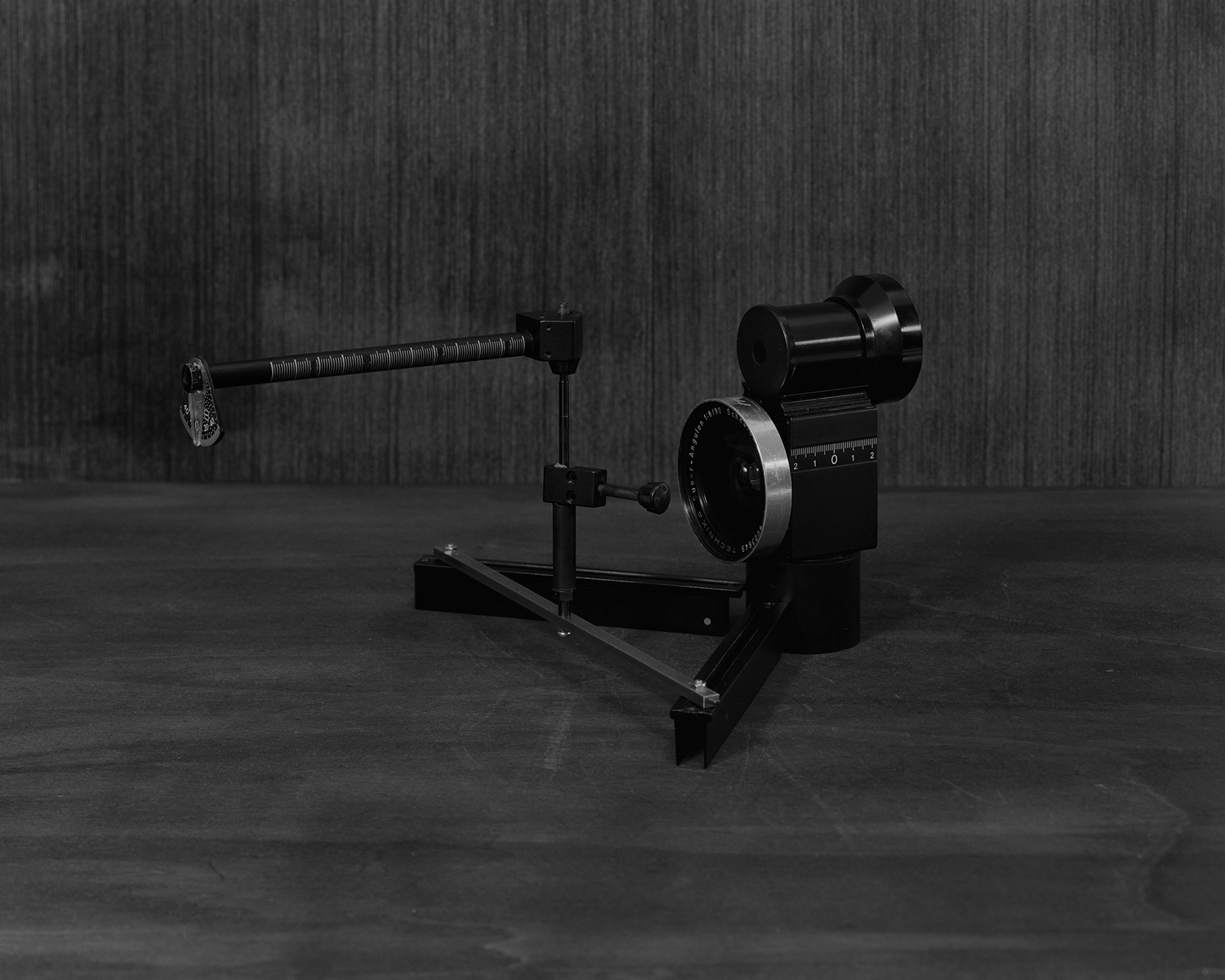
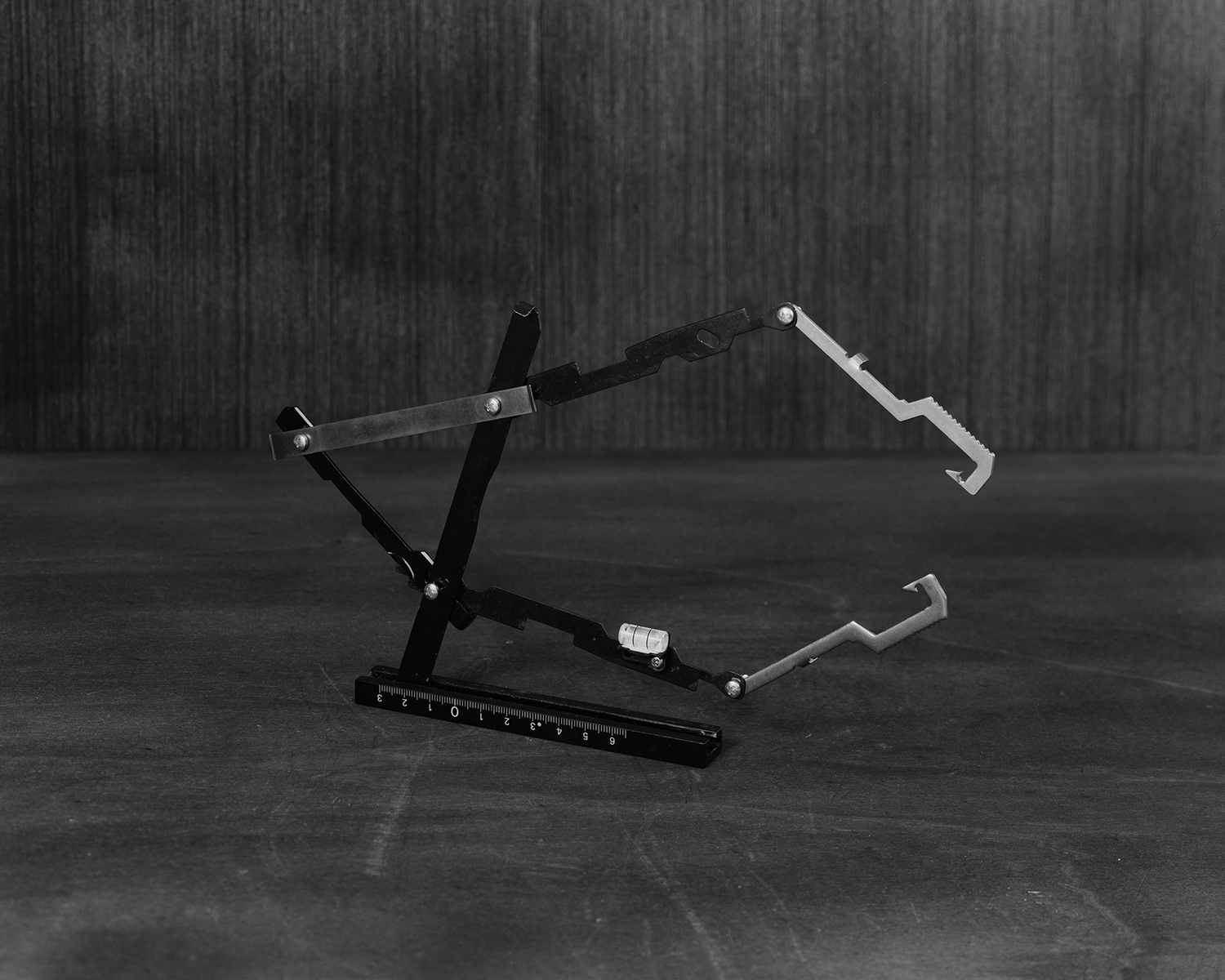
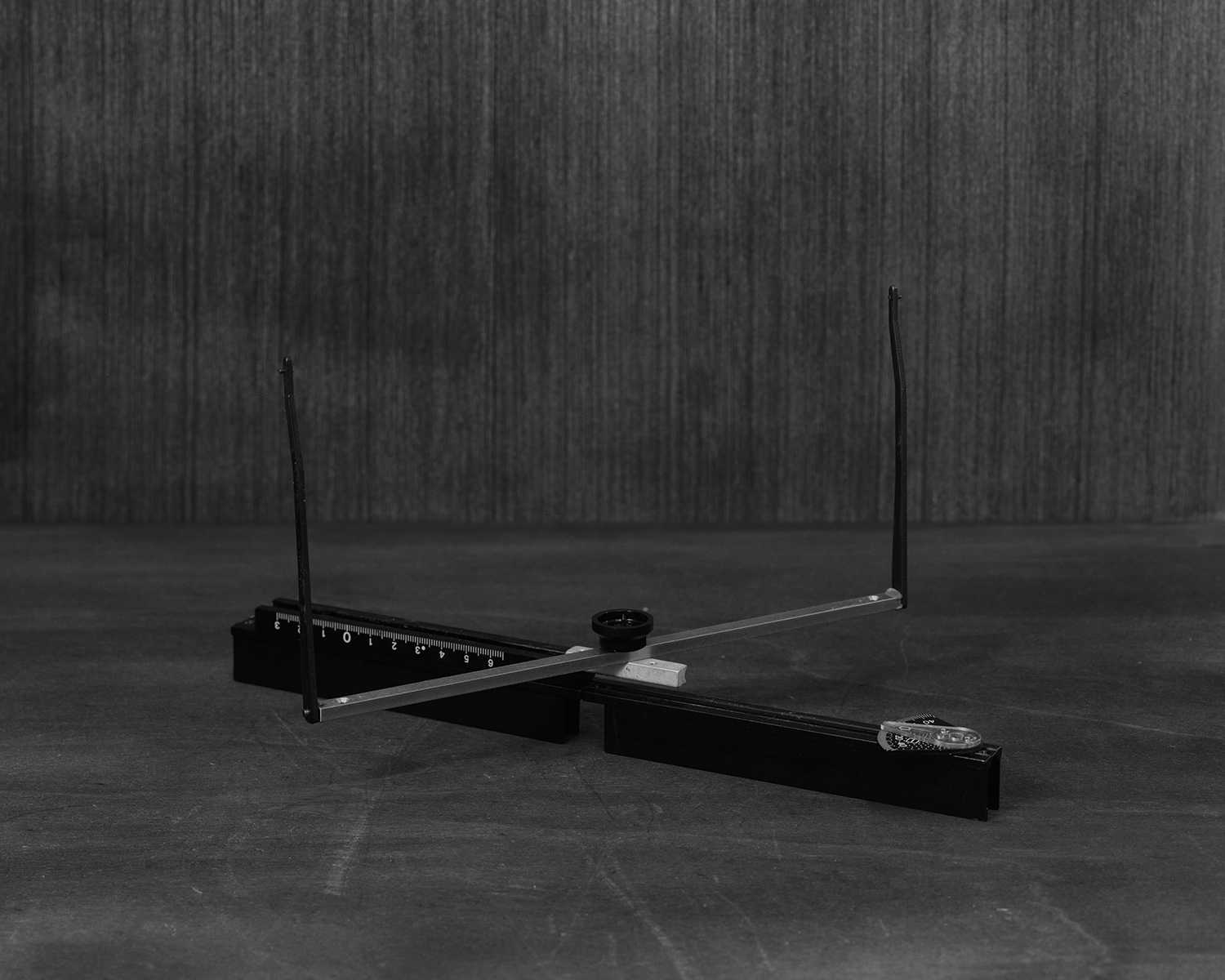
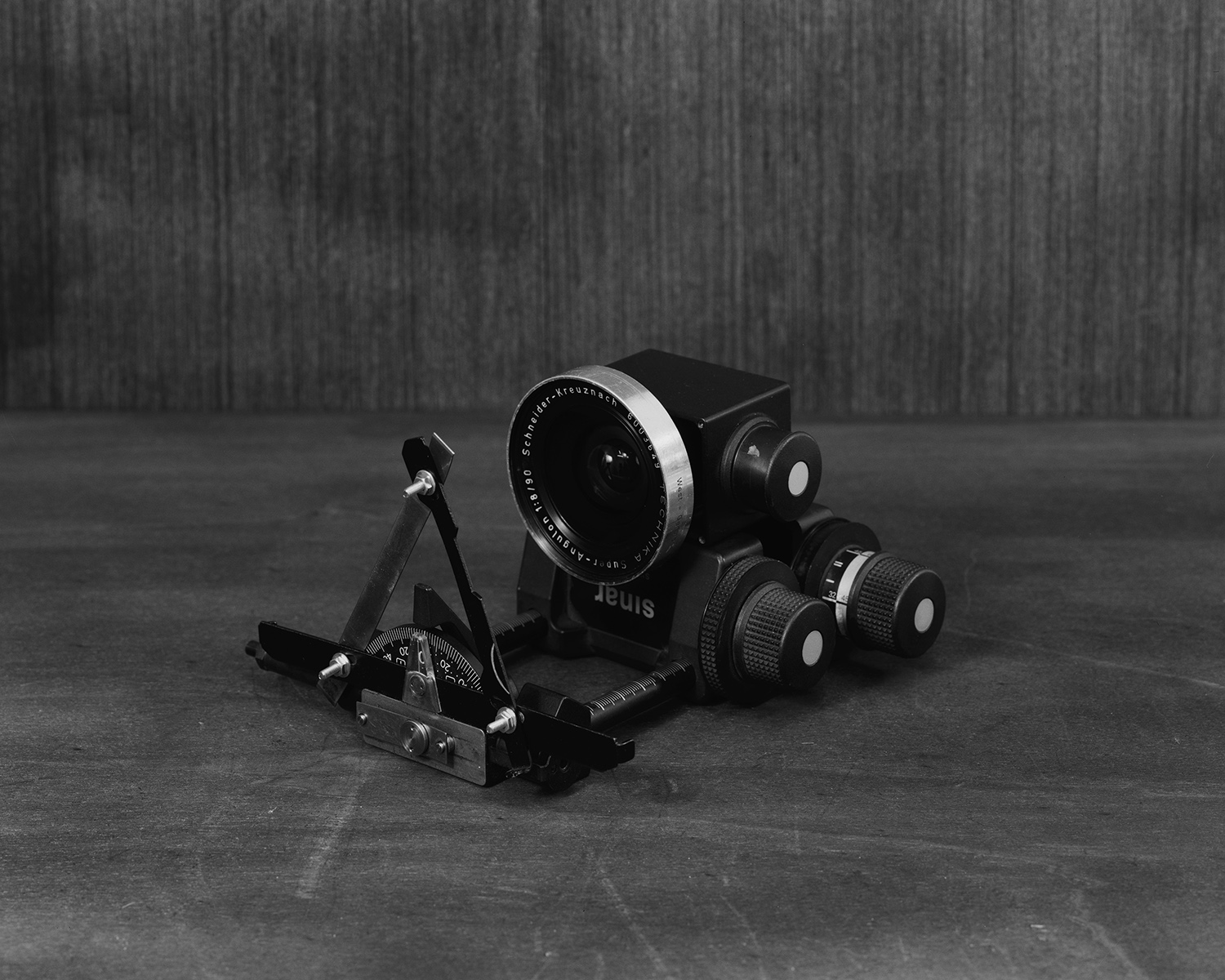
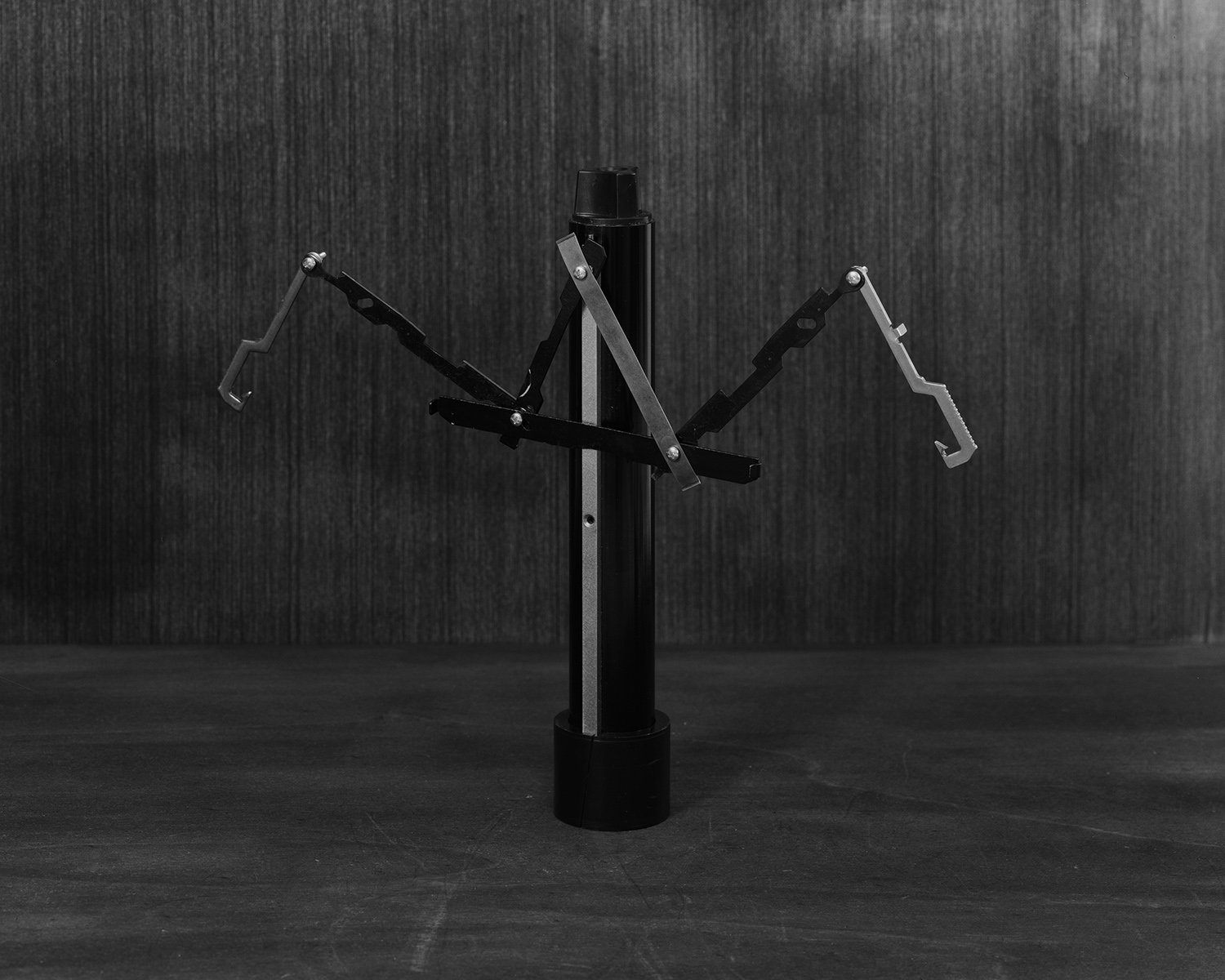
How to unknow? presents itself as an exercise in visual disarmament, a practice that questions not what we see, but how we see. The project stems from a simple observation: what is closest to us, what belongs to our everyday visual field, what we assume to know deeply, is often what we perceive the least.
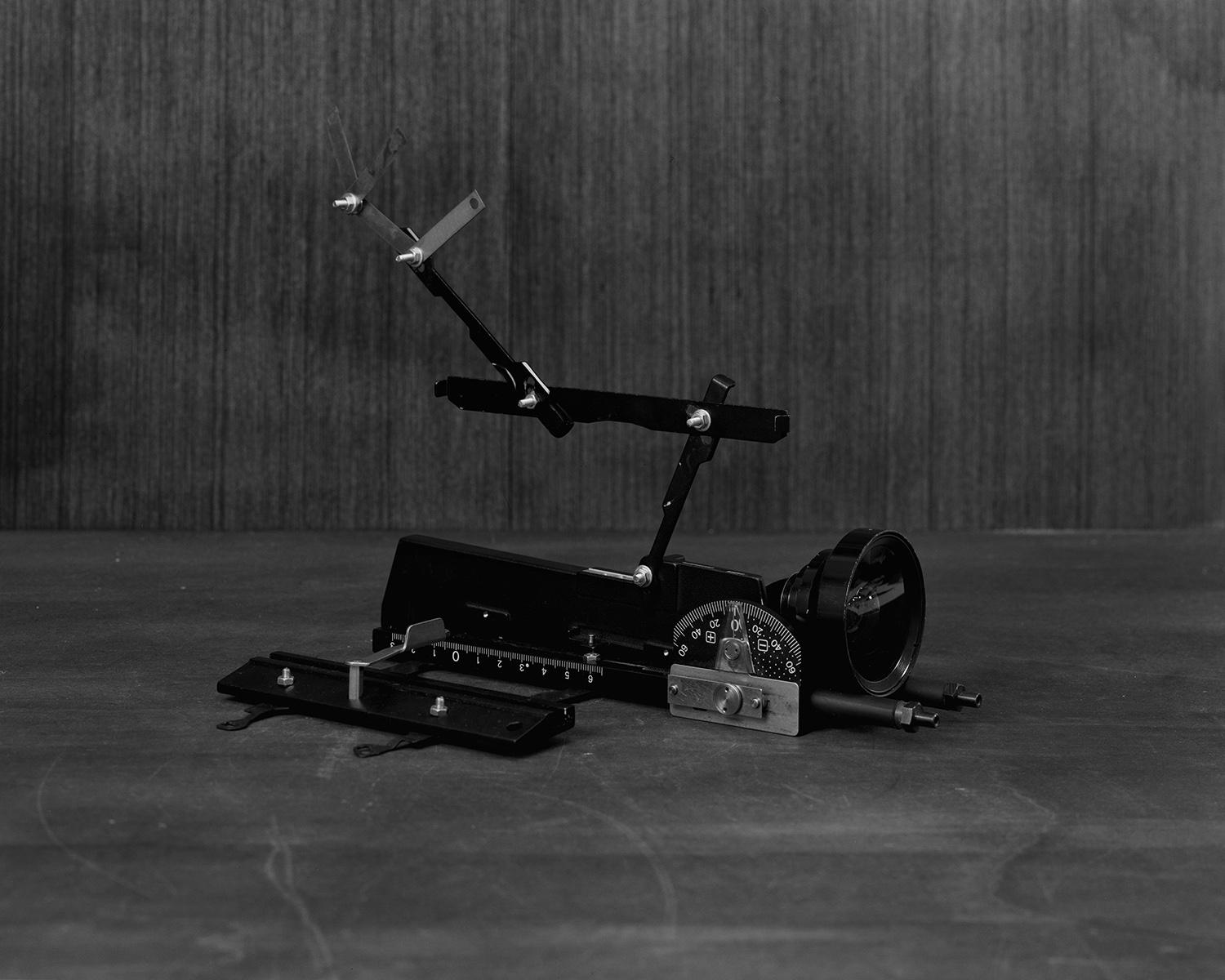
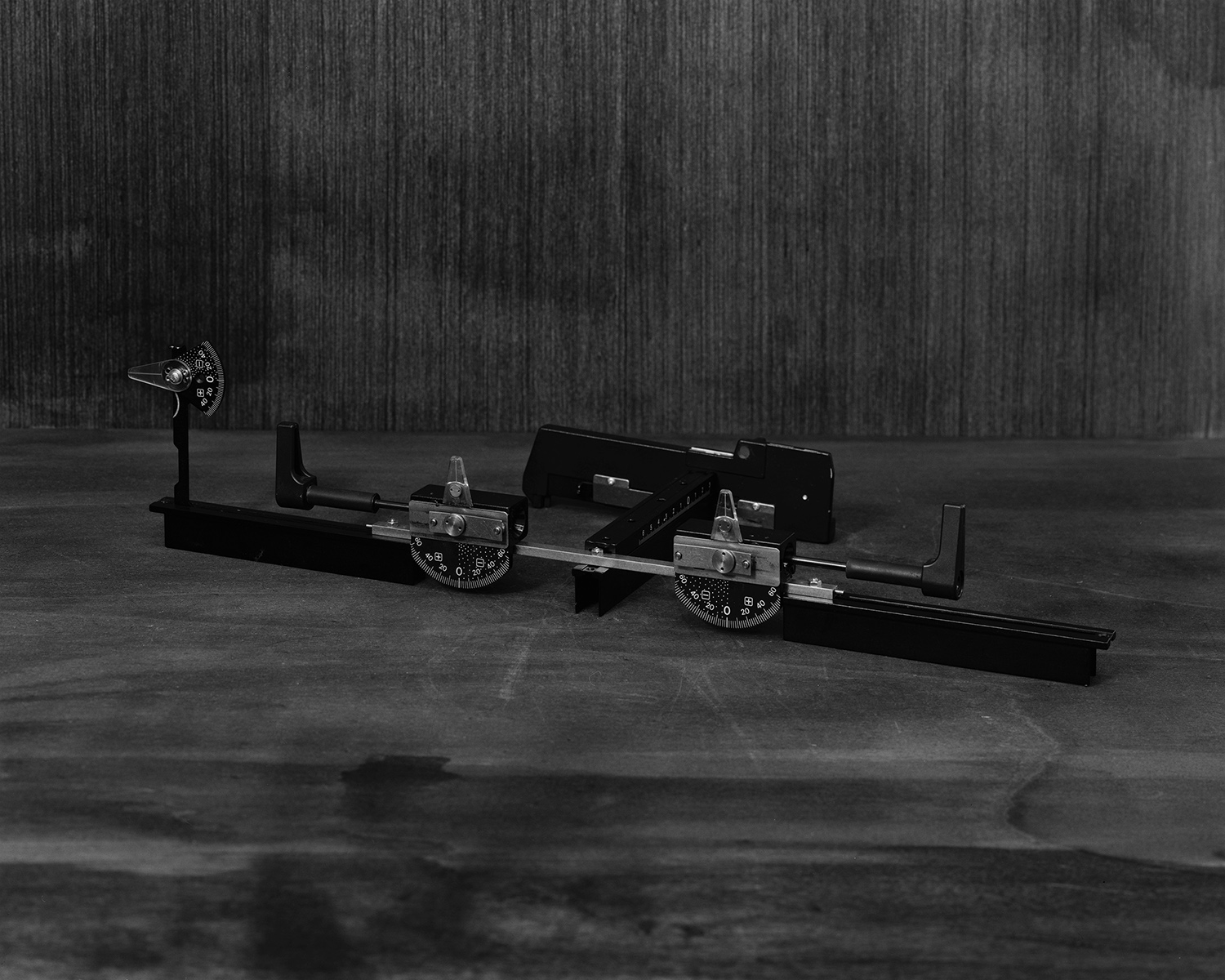
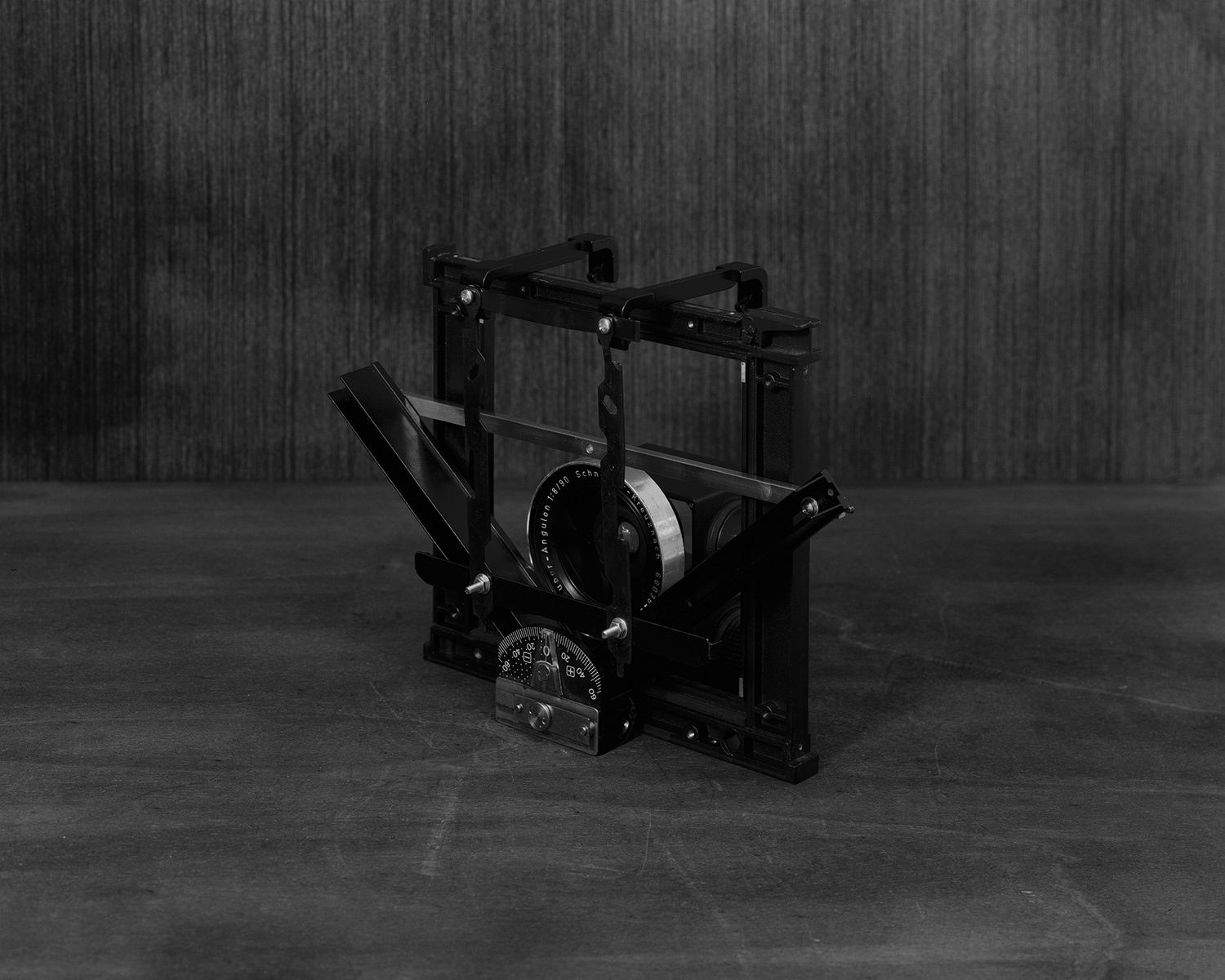
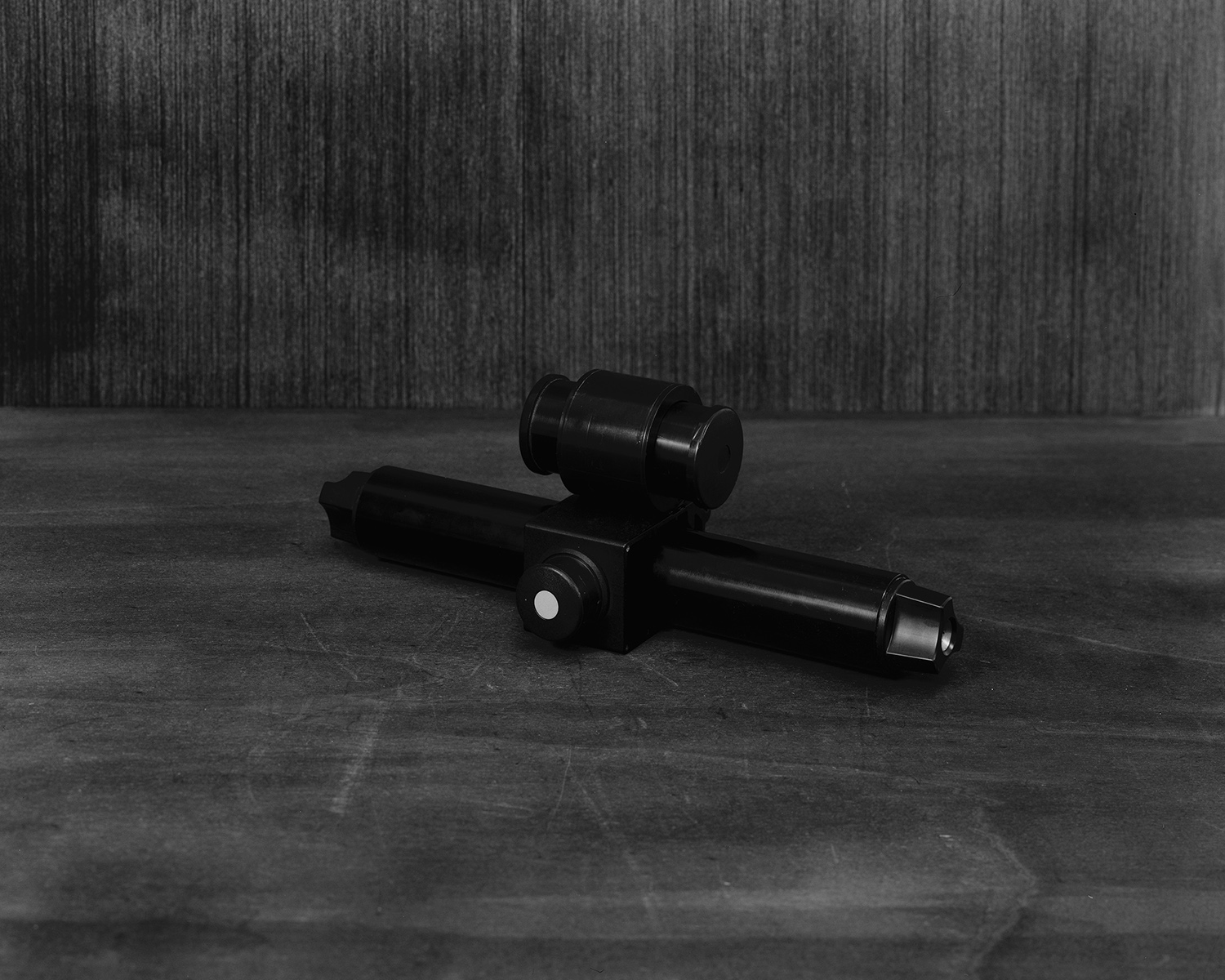
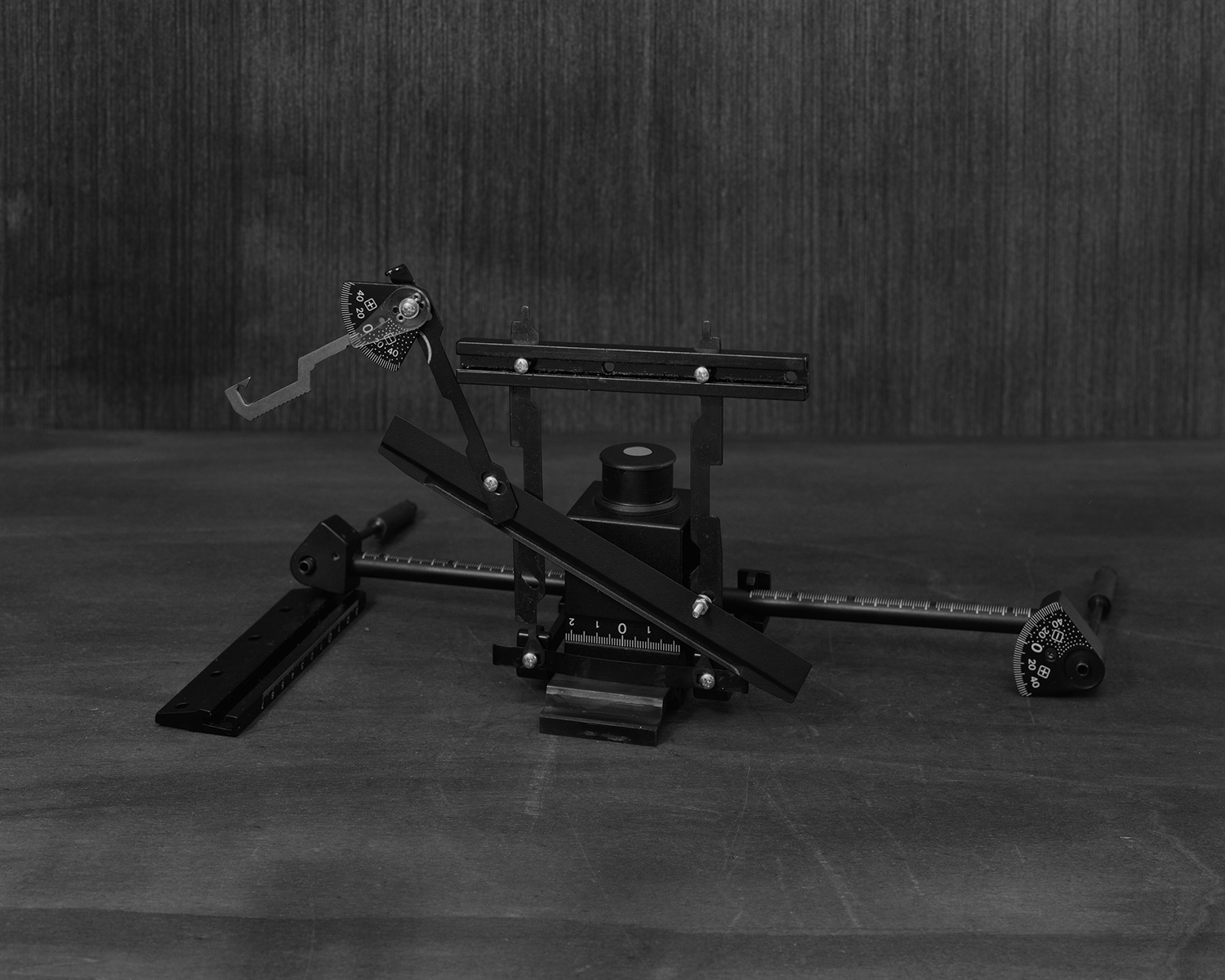
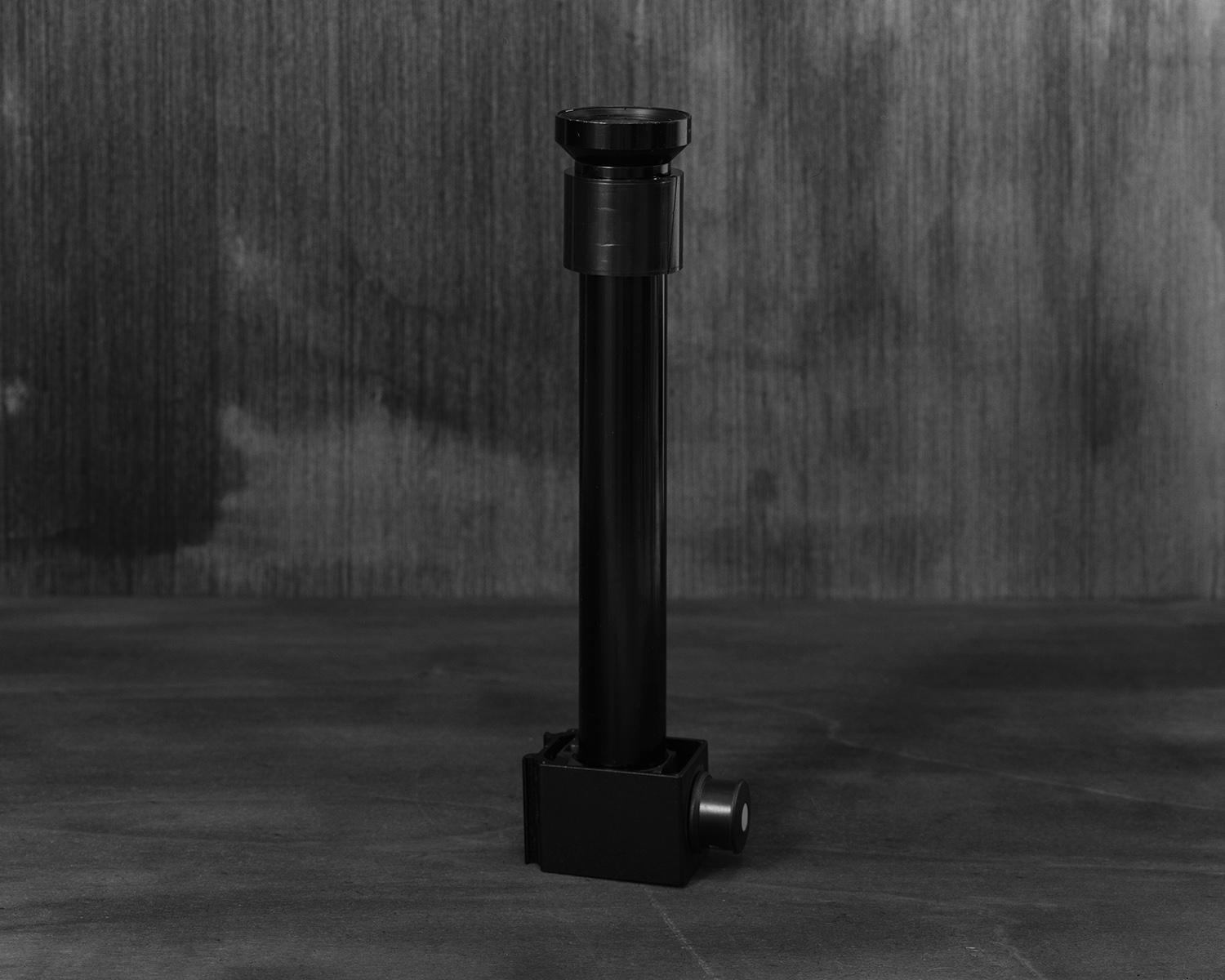
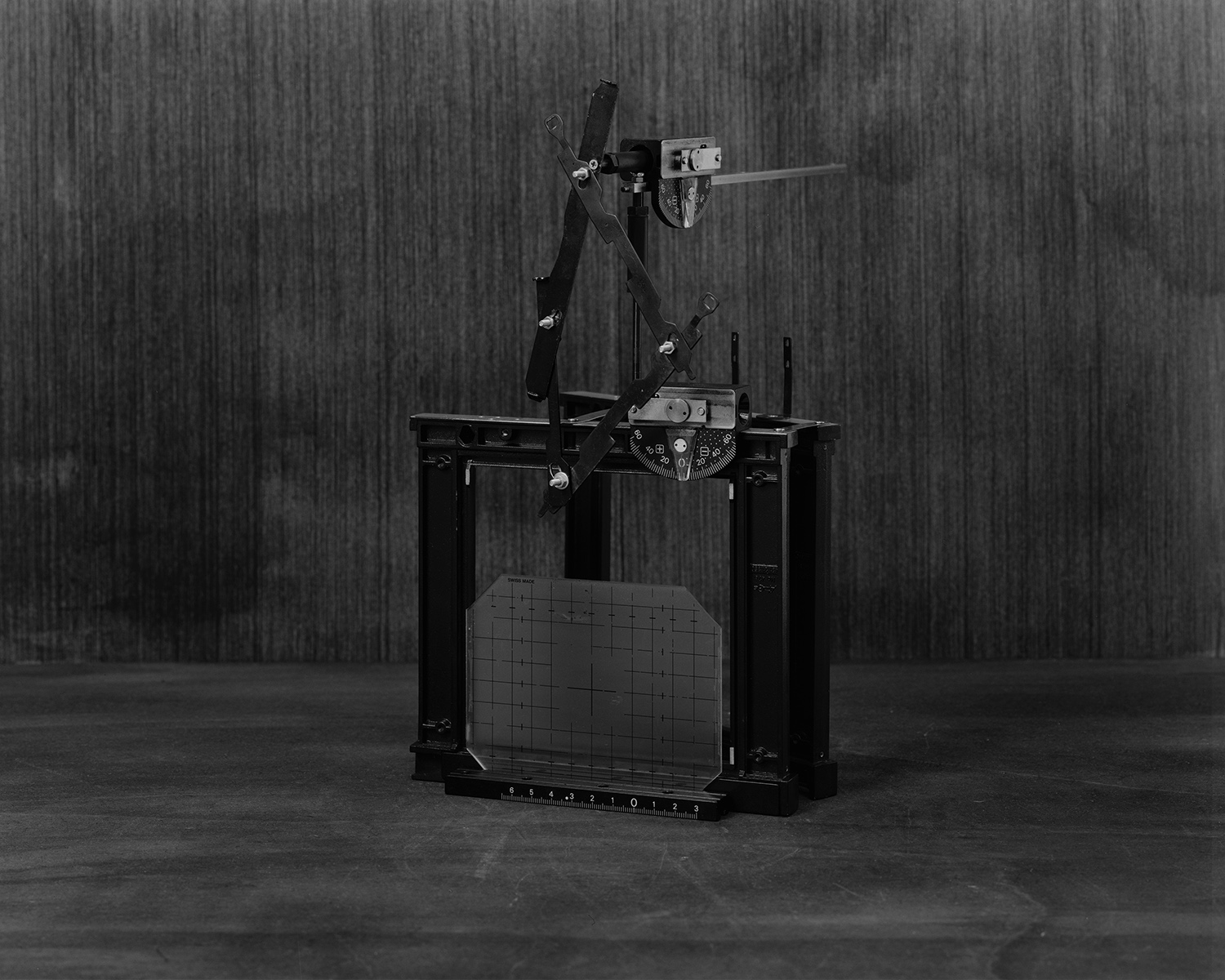
One part of the work centers on a concrete and symbolic gesture: the complete dismantling of a large format camera, a canonical instrument of analytical vision and perspectival construction. This is followed by its reassembly according to alternative, non-functional logics, not aimed at faithfully reproducing reality, but rather at proposing a vision that is unstable, intermittent, and vulnerable. This act expresses the desire to challenge the optical apparatus as an extension of rational, linear thought, and to establish a more open, uncertain, and less codified relationship with the visible.
“Unlearning to see” does not mean losing sight, but temporarily freeing oneself from the internalized structures of perception, the conceptual grids that orient our gaze while simultaneously limiting it. It is about looking not at the moon, but at the finger pointing to it.
The dismantled and reconfigured camera becomes no longer a tool of control, but a critical device, an object that reflects on the possibility of seeing otherwise: an attempt to unknow my own perspective, a tool to embrace ambiguity, opacity, and the elusive proximity of things.
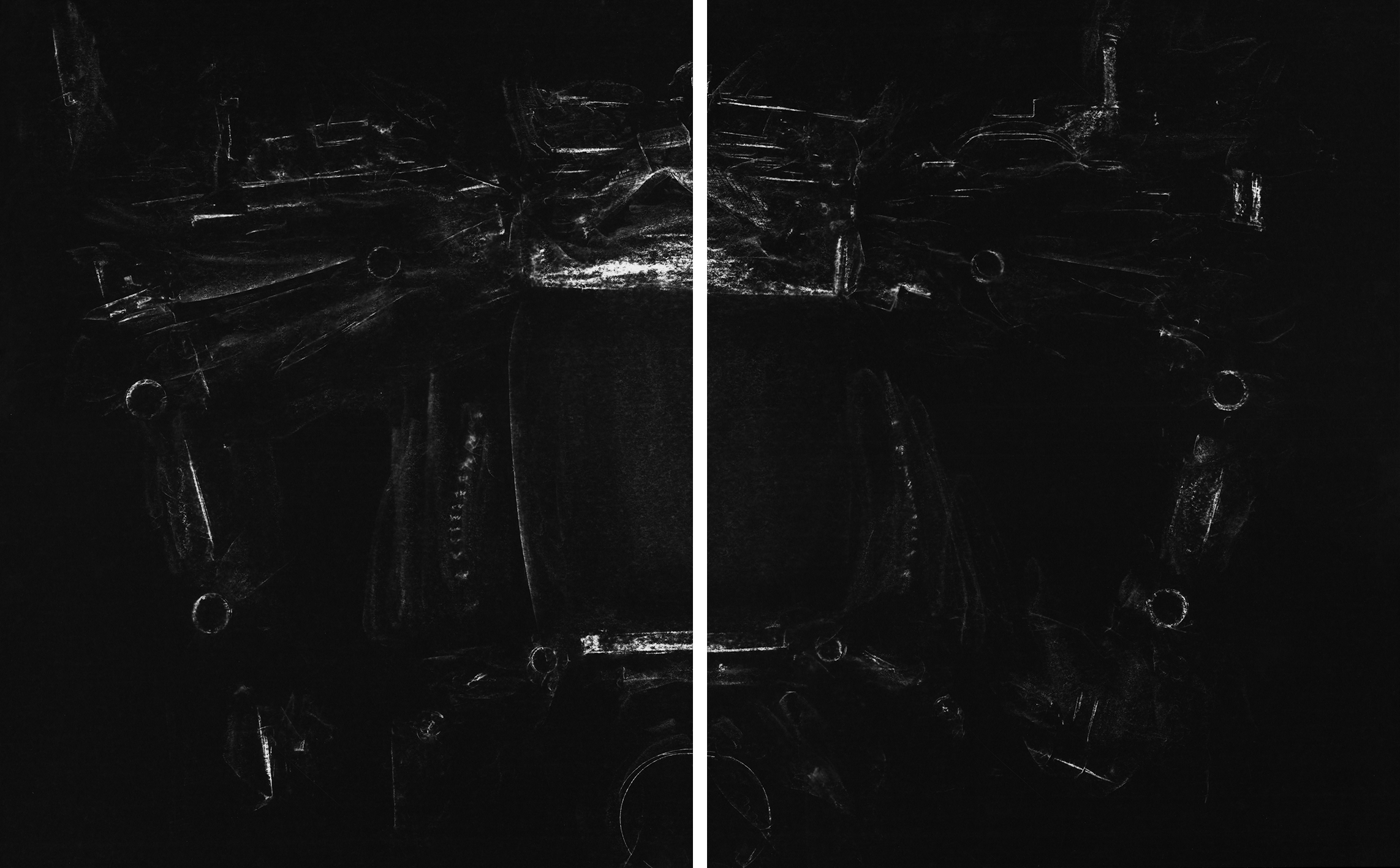
Another part of the work draws on the tradition of cameraless photography. In these images, the ground glass, the very surface through which I normally look, is projected directly onto light-sensitive paper, with light bent through layers of lenses. These are images made through the very things that mediate our seeing.
How to unknow? is thus an investigation into the threshold between seeing and perceiving, between knowing and remaining receptive, between construction and deconstruction of the gaze. It is an invitation to reconnect with the world beyond the automatic filters of habit, and to train the eye to linger in uncertainty.
The project On the Edge of the Eyelid, realized for Fondazione Costantino Nivola and supported by Strategia Fotografia 2024, promoted by the Directorate-General for Contemporary Creativity of the Italian Ministry of Culture, presents three new projects by Fabio Barile (Barletta, 1980), Ezio D’Agostino (Vibo Valentia, 1979) and Luca Spano (Cagliari, 1982). The artists participated in a research residency that put them in contact with scientists and researchers from leading institutes, including the Gran Sasso Science Institute (L’Aquila), the Physics Department at the University of Cagliari, the INFN — Istituto Nazionale di Fisica Nucleare and the association IDeAS (Cagliari), as well as the Sos Enattos sites (Lula), selected for the future construction of the Einstein Telescope, and the Sardinia Radio Telescope (San Basilio, CA).