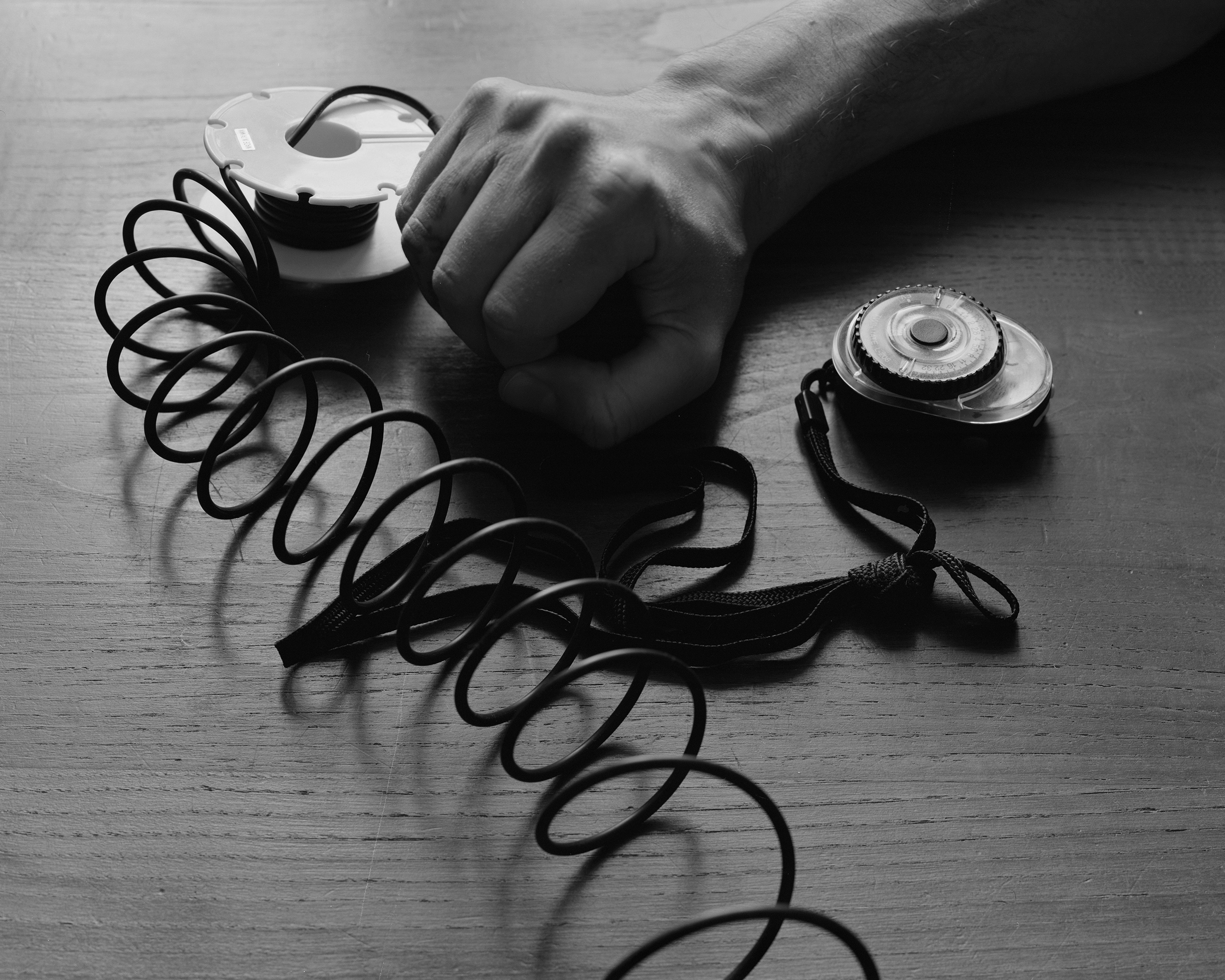
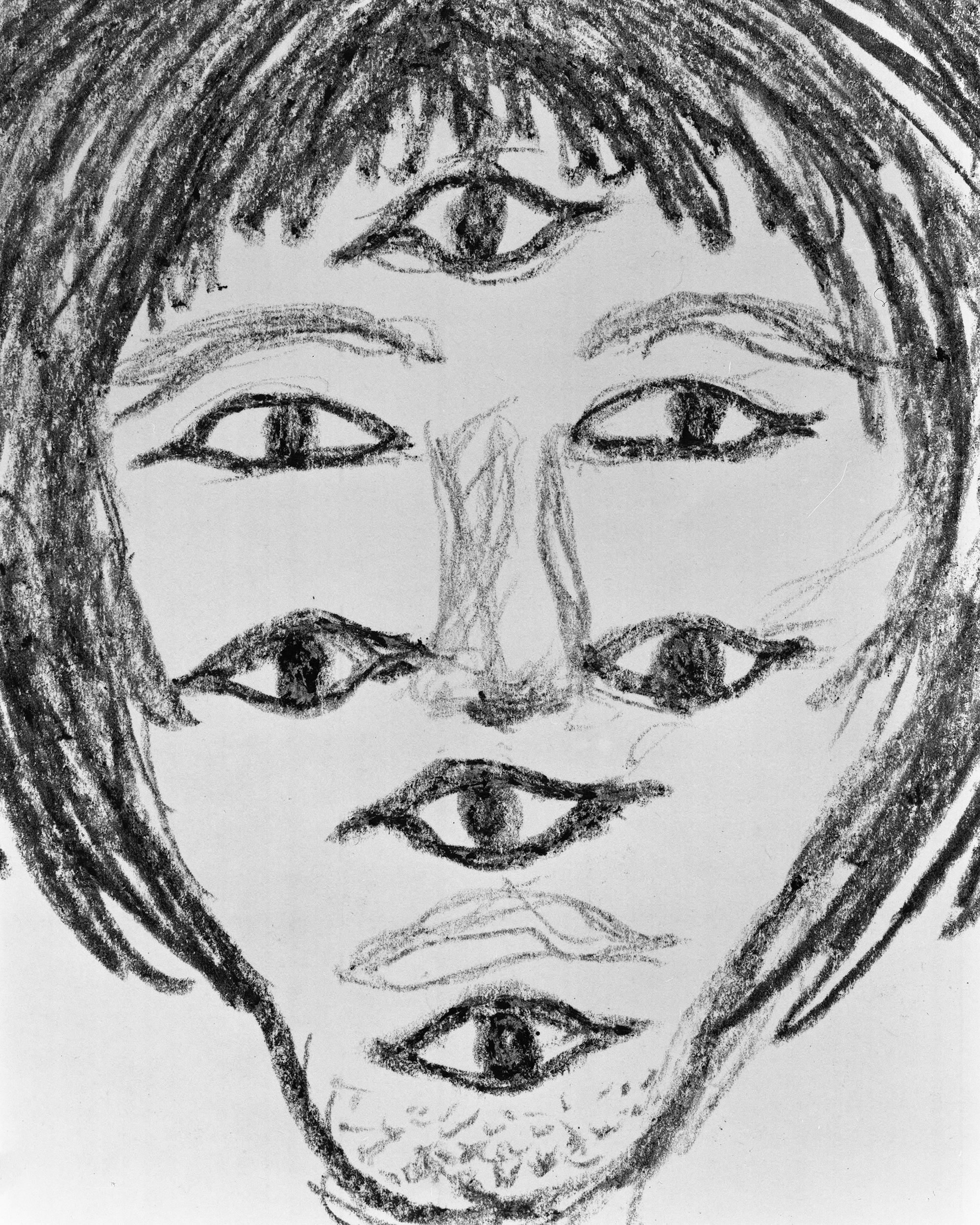
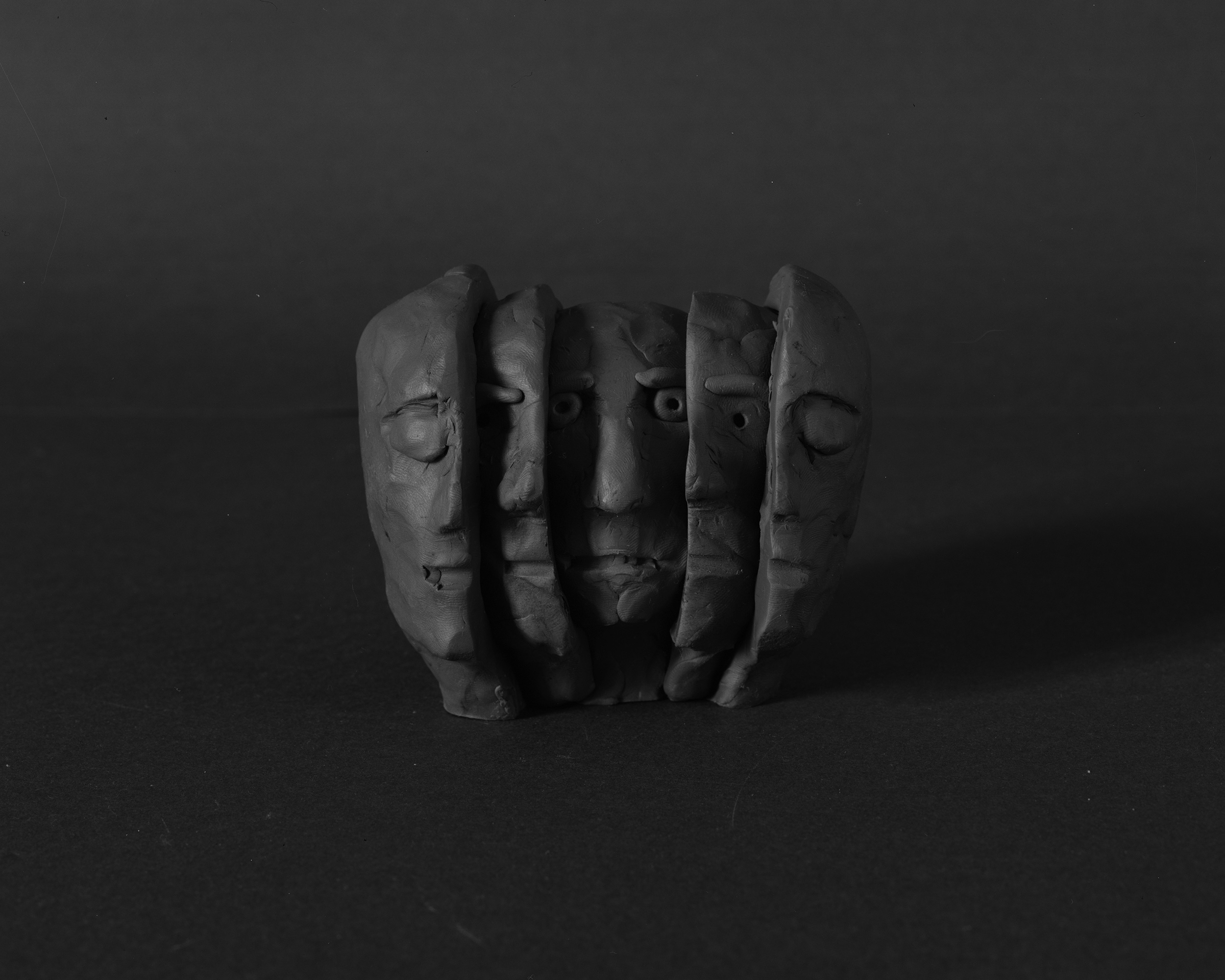
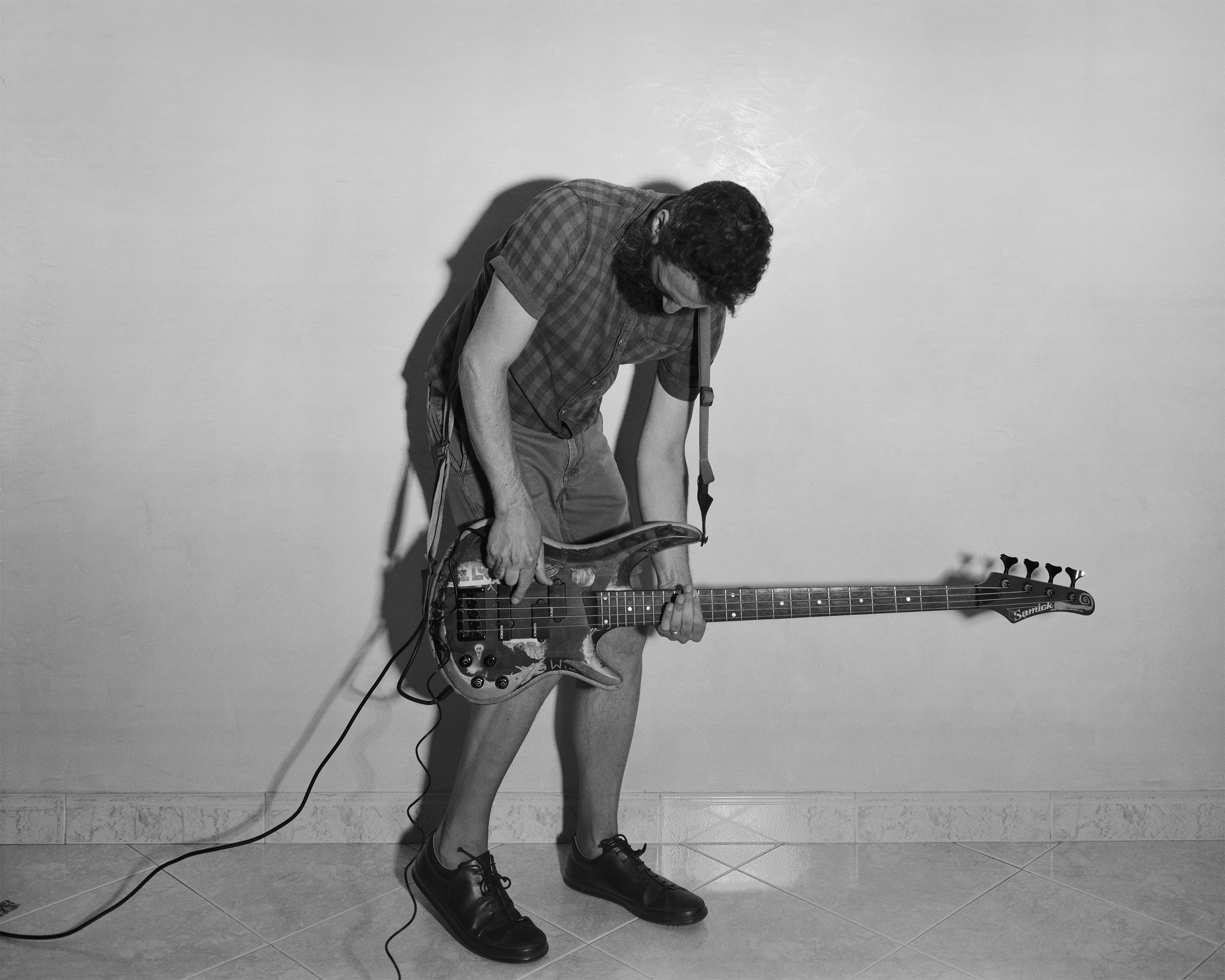
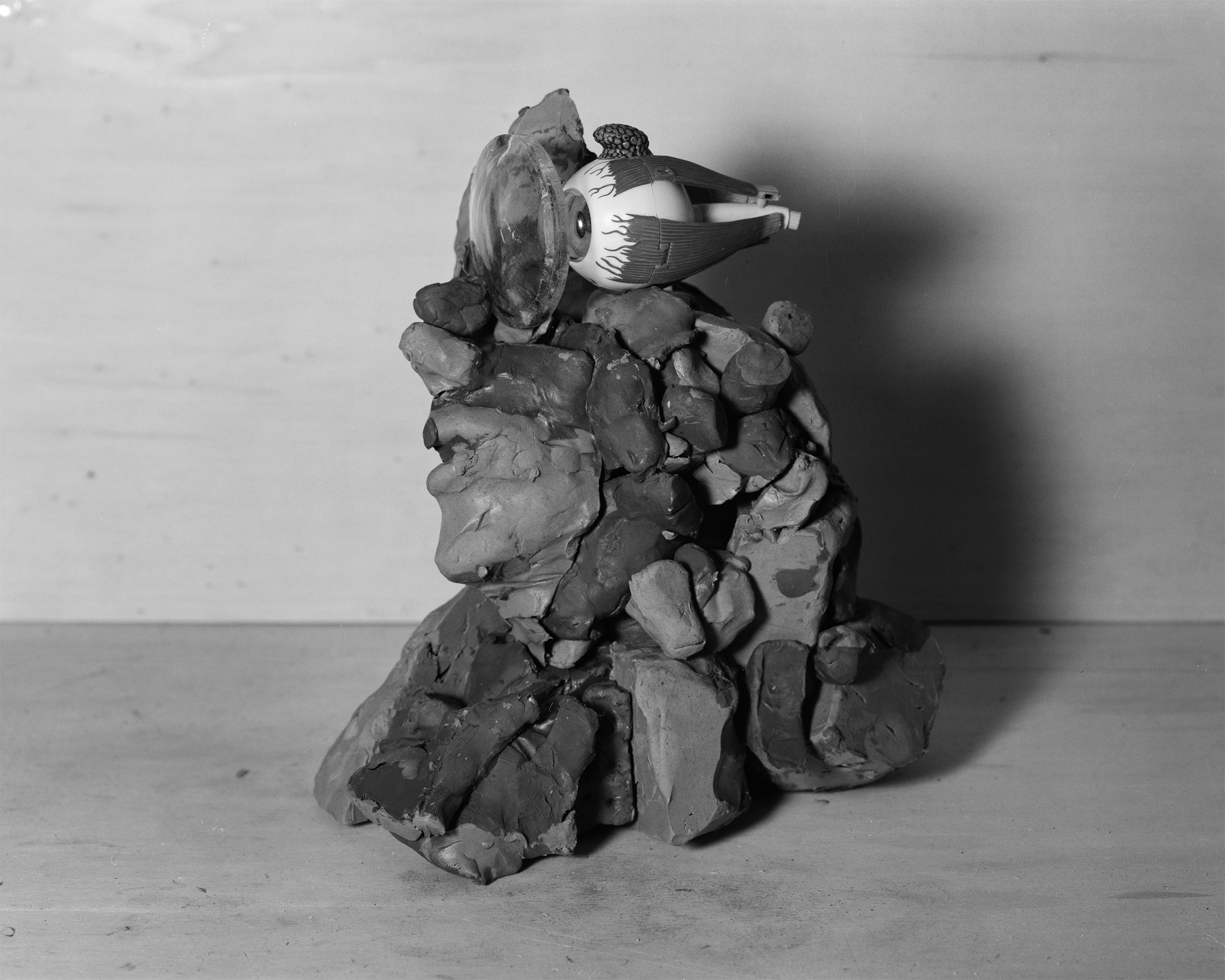
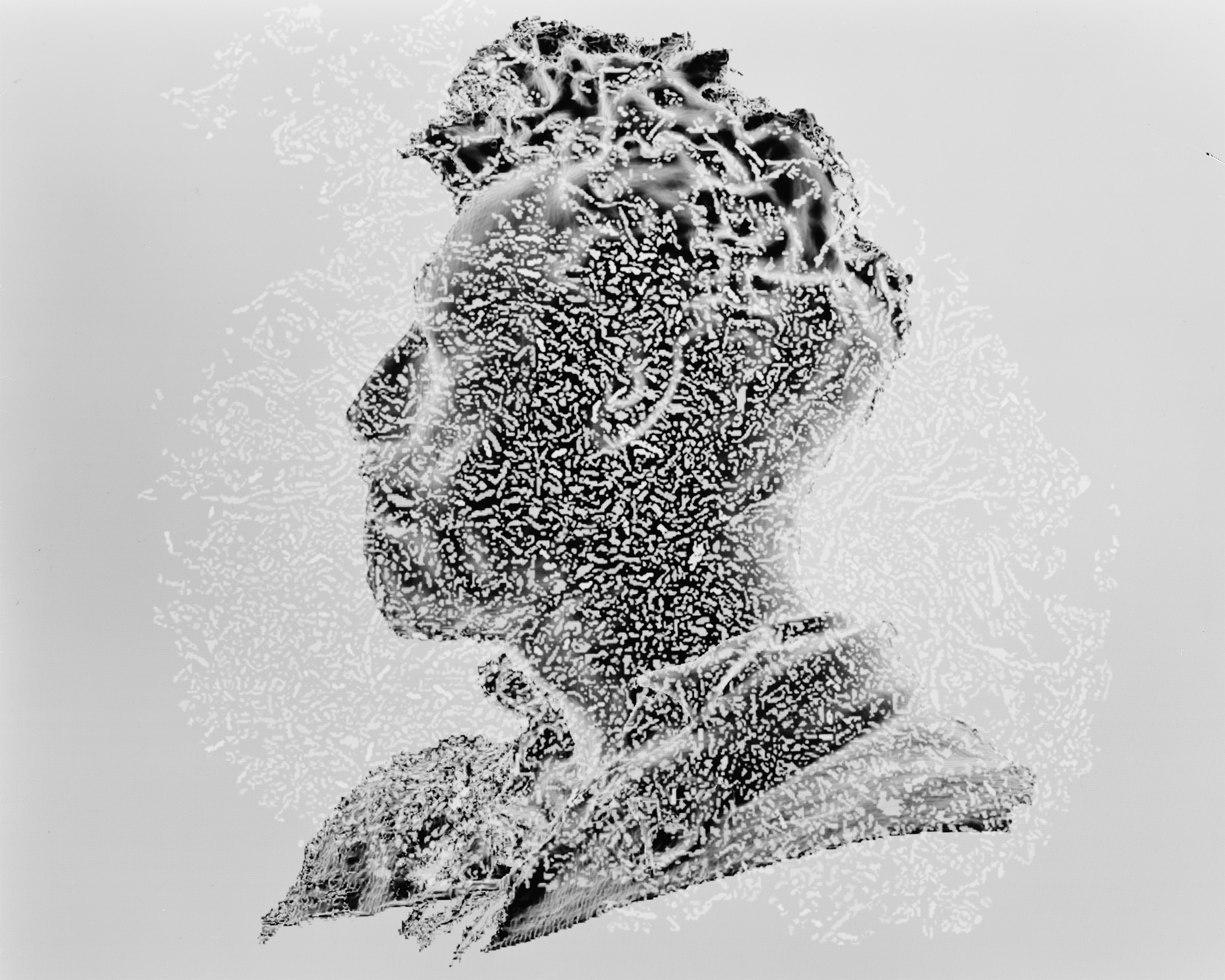
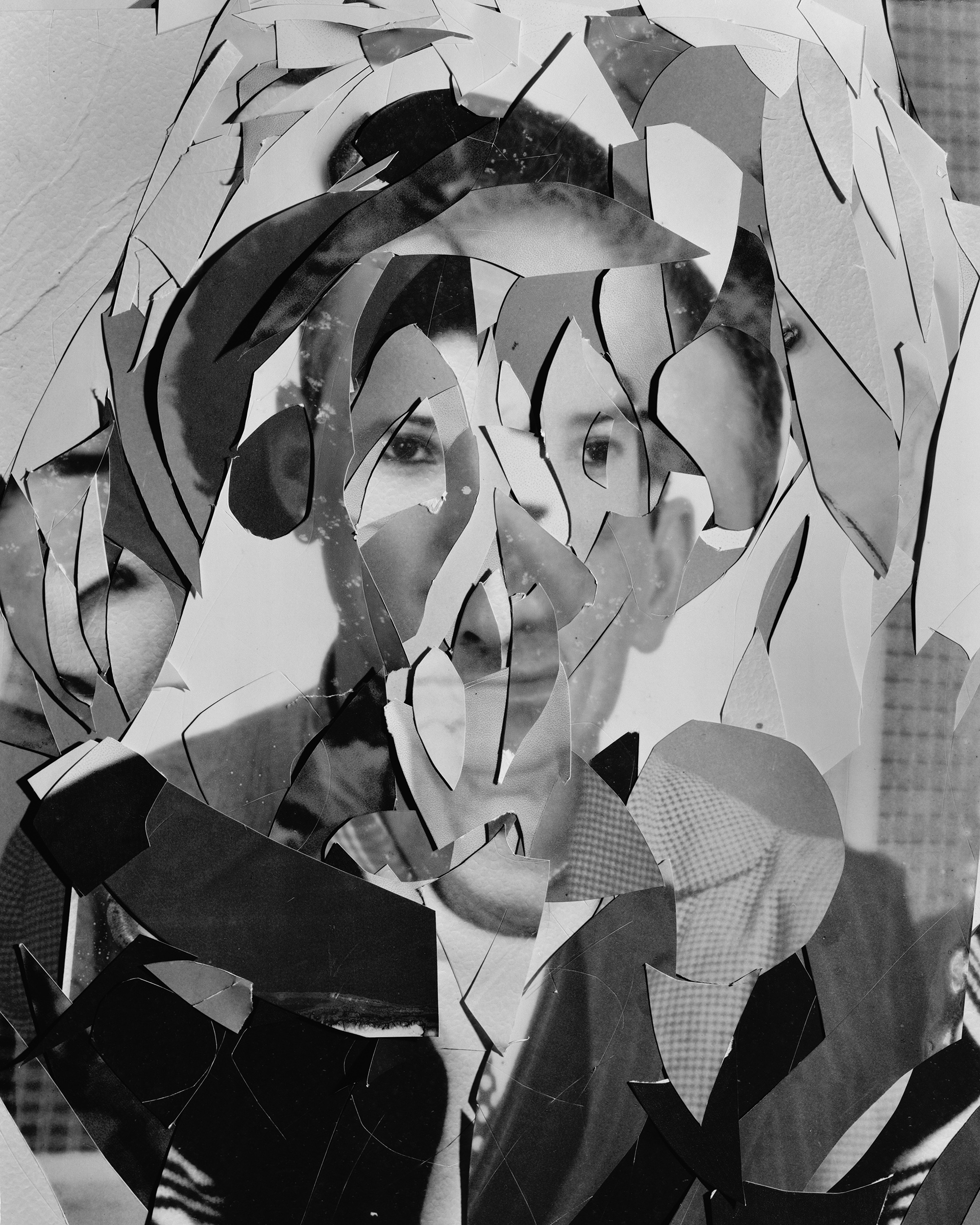
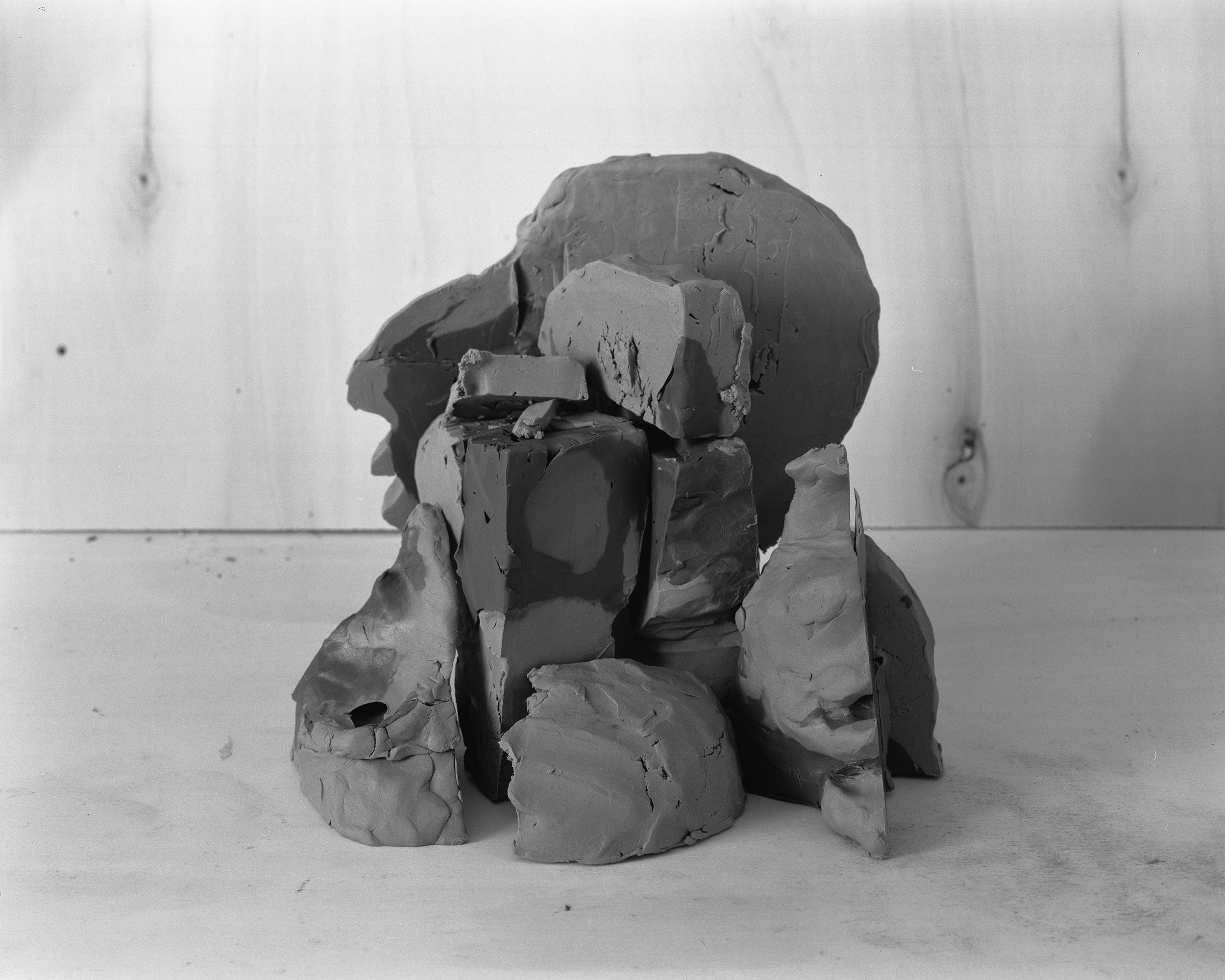
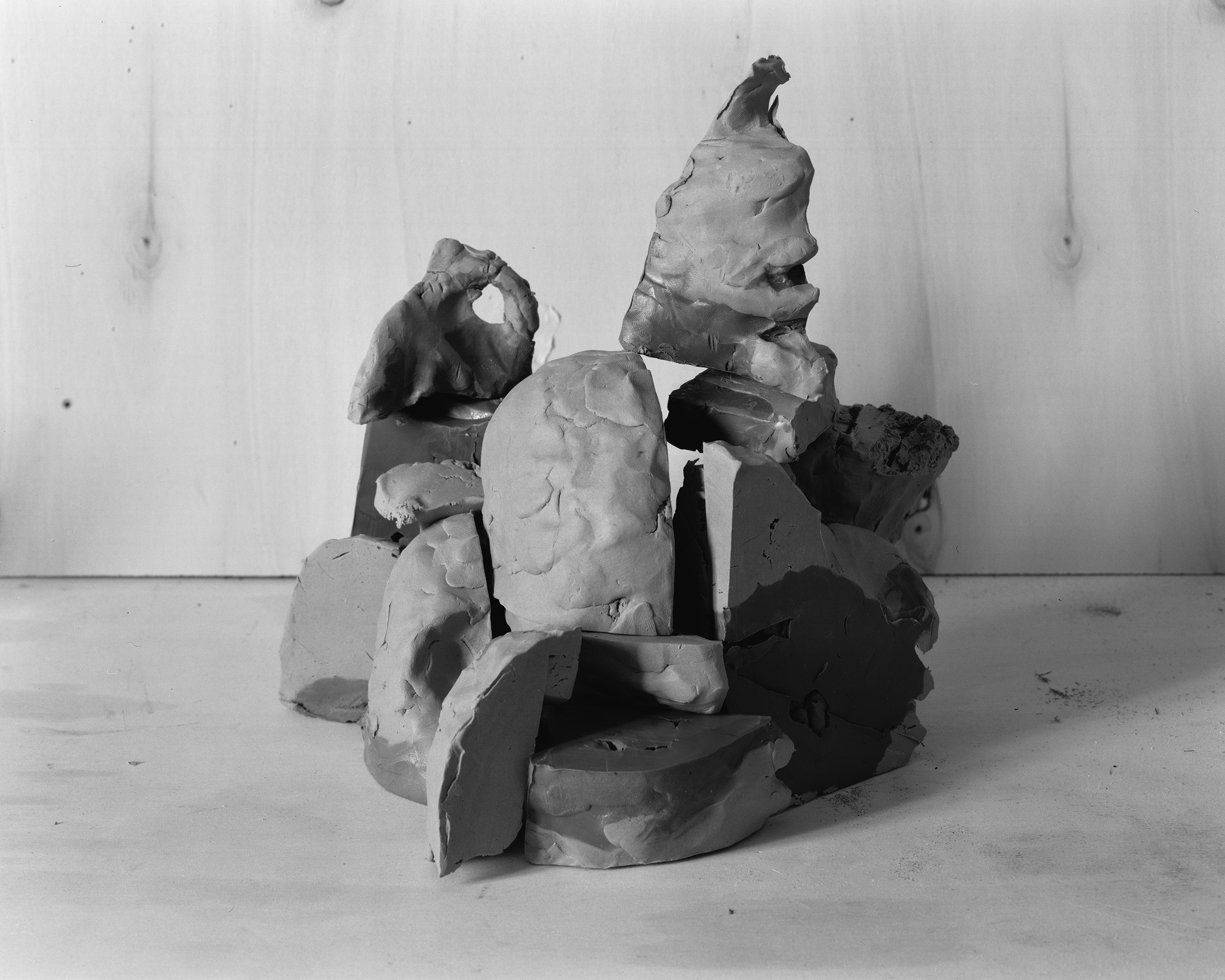
The origin of things and their gradual evolution have been central themes in my work since 2009. Initially, I explored these themes through the analysis of landscapes and their processes, and later, I shifted my focus towards observing the transformation and expansion of my own artistic practice. Over time, this journey has reinforced the notion of examining things as fragments of lengthy processes, to which we have only partial access.
In this phase of my research, where chance and chaos play a fundamental role, I found myself pondering the origins of my fascination with the world of art and creativity. I attempted to reconnect with the earliest traces of a path that led me to embrace photography as a means of expression.
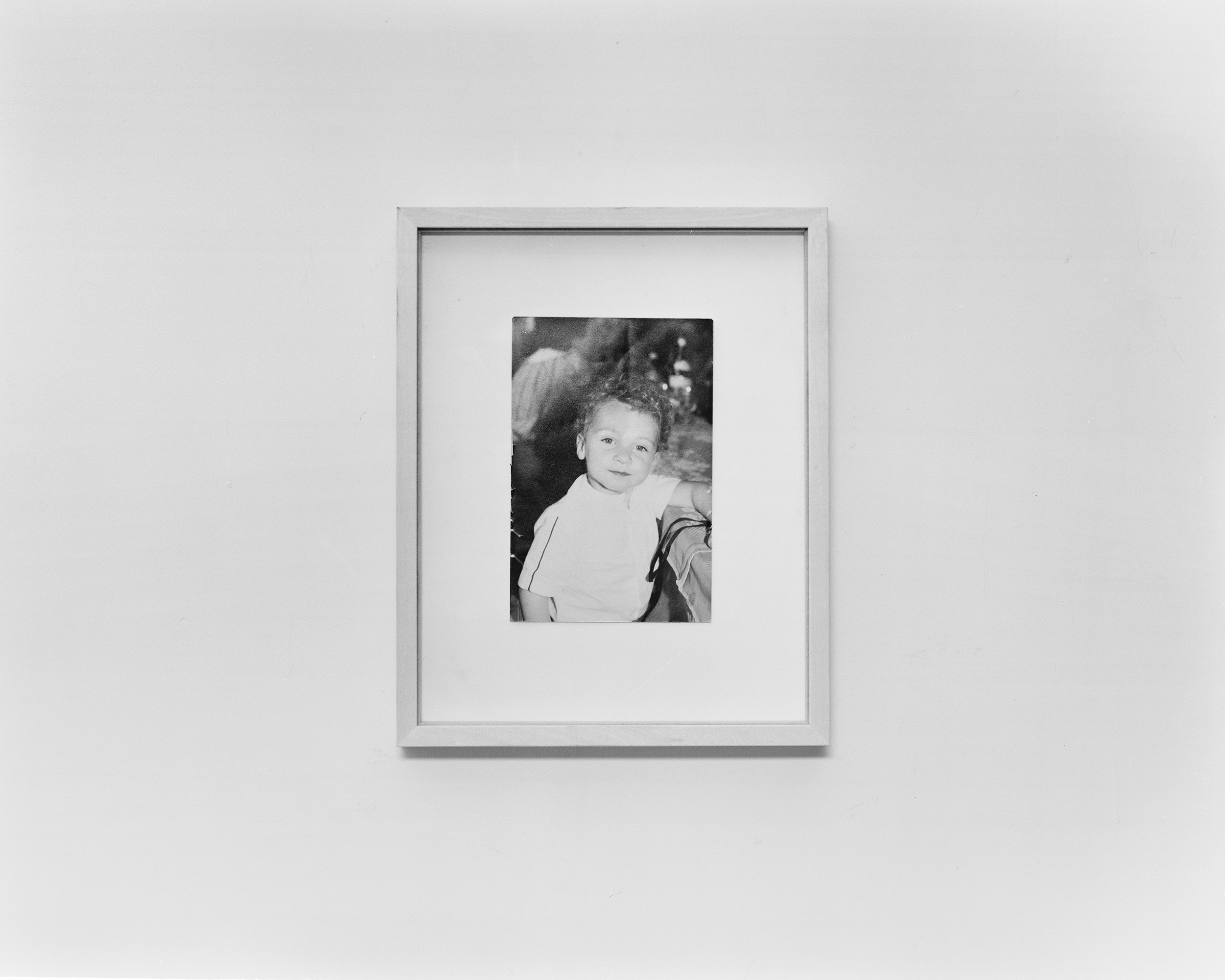
The idea of pinpointing a singular origin quickly proved elusive. Vivid memories, such as a photograph of me at three years old holding a camera, turned out to be inaccurate when it was located. Similarly, the notion that my creative aptitude originated from the switch of my dominant eye from right to left, as a result of an ophthalmological correction, was dispelled by a photograph.
Nevertheless, embarking on this path, albeit with misconceptions, allowed me to begin contemplating the concept of self. I sought to develop a journey that could serve as a sort of self-portrait — an attempt to connect my current “self” with its biological, genealogical and cultural origins.
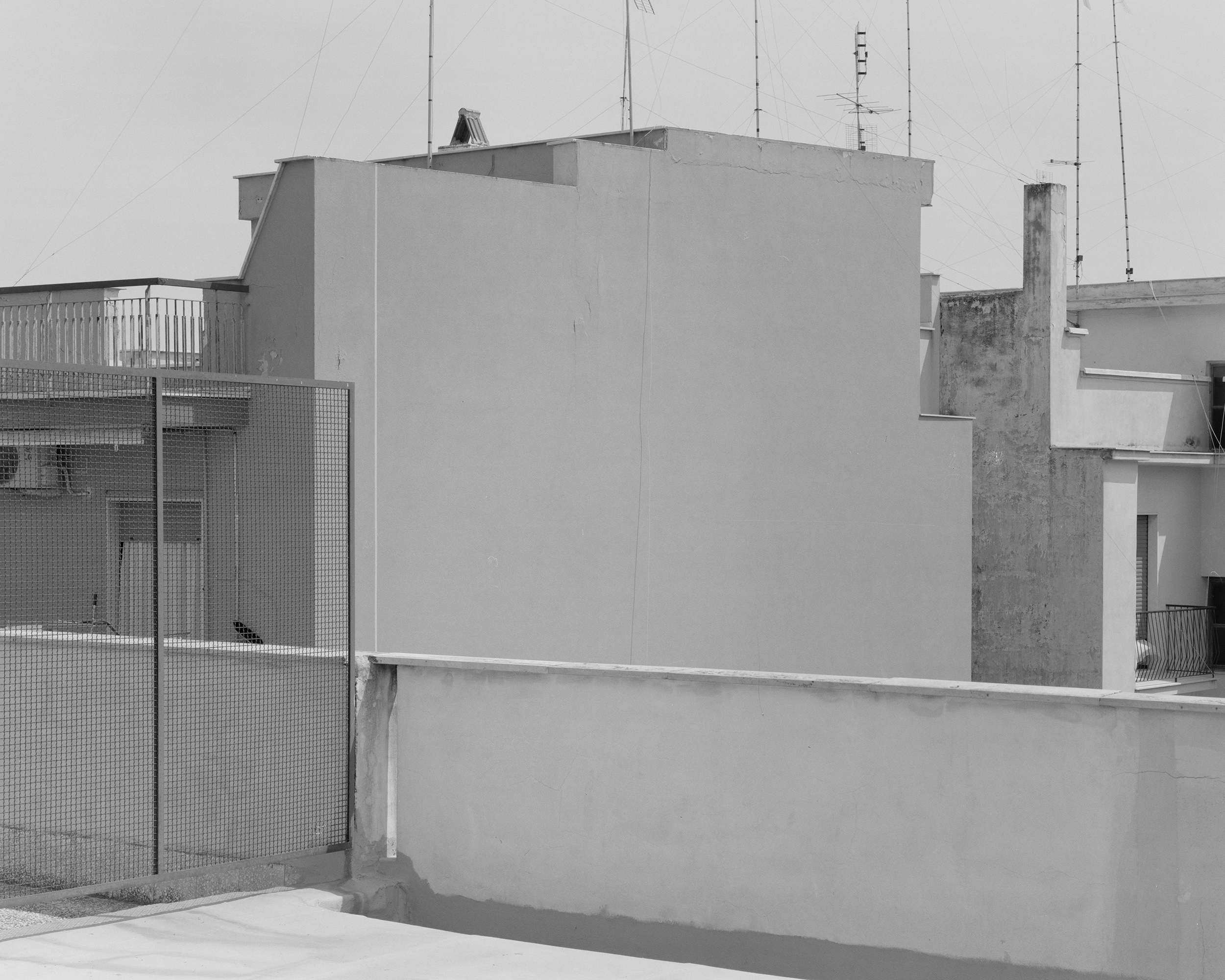
Who am I? How significant are my origins? What role does Sveva, my wife, play in shaping my identity today? How have the views from the places I have called home, such as Barletta in Puglia, Rome, and the landscapes of the Supramonte, the homeland of my wife Sveva, influenced me?
These questions are instrumental in constructing a path that, through fragments of memories, places, and ideas linked to the origins of my “self,” revolves around the concept of identity, seeking to define it, but ultimately realizing its fluid and evolving nature.
Drawing on ideas such as Richard Dawkins’ “Extended Phenotype,” in which he posits that the influence of genes (that we inherit, therefore not even ours) extends beyond the individual’s physical appearance, and the paradox of the Ship of Theseus, which “poses the metaphysical question of the effective persistence of the original identity, despite changes in its constituent parts over time,” an understanding of a fluid and relational identity emerges. In this perspective, our “self,” as well as our physical body, serves as the junction between elements that trace back to LUCA (Last Universal Common Ancestor), which existed 3.5 billion years ago, and the ongoing occurrences in the present moment, such as writing or reading these words.
“Now that psychology and psychoanalysis have made us aware of the ‘plural’ nature of the ego and therefore of the problematic nature of its identity, it is urgent that even at the level of the we — of groups, of peoples, perhaps even of the human species — this consciousness imposes itself and contributes to throwing a critical light on the very notion of identity.”
— Gianni Vattimo on the book Contro l’Identità by Francesco Remotti